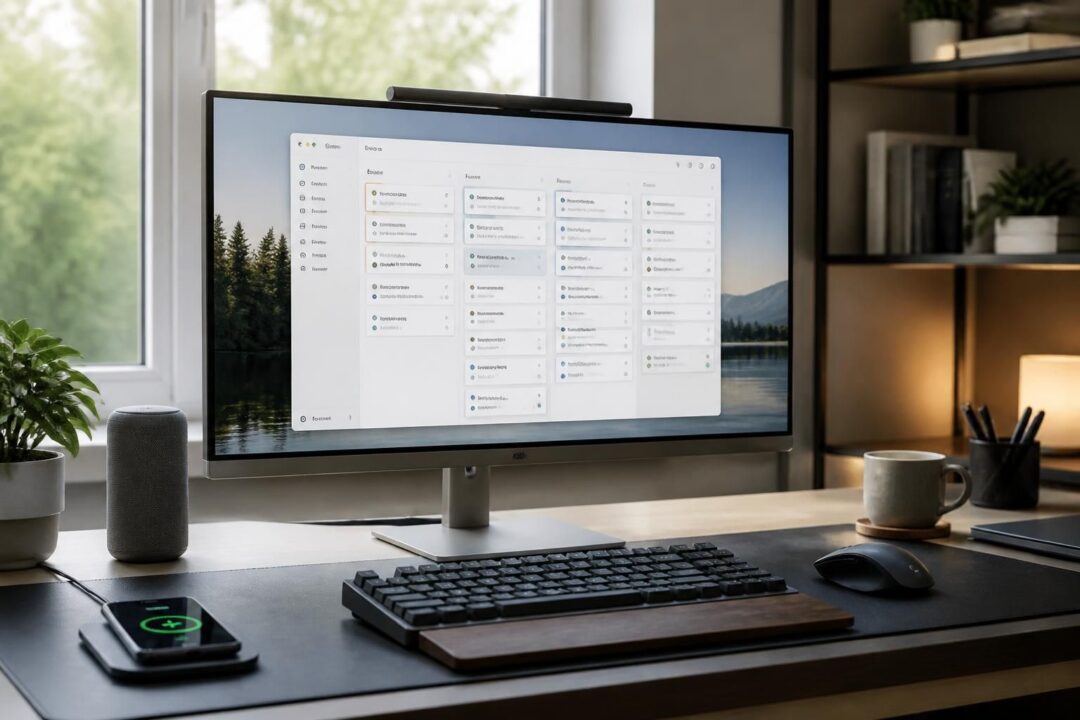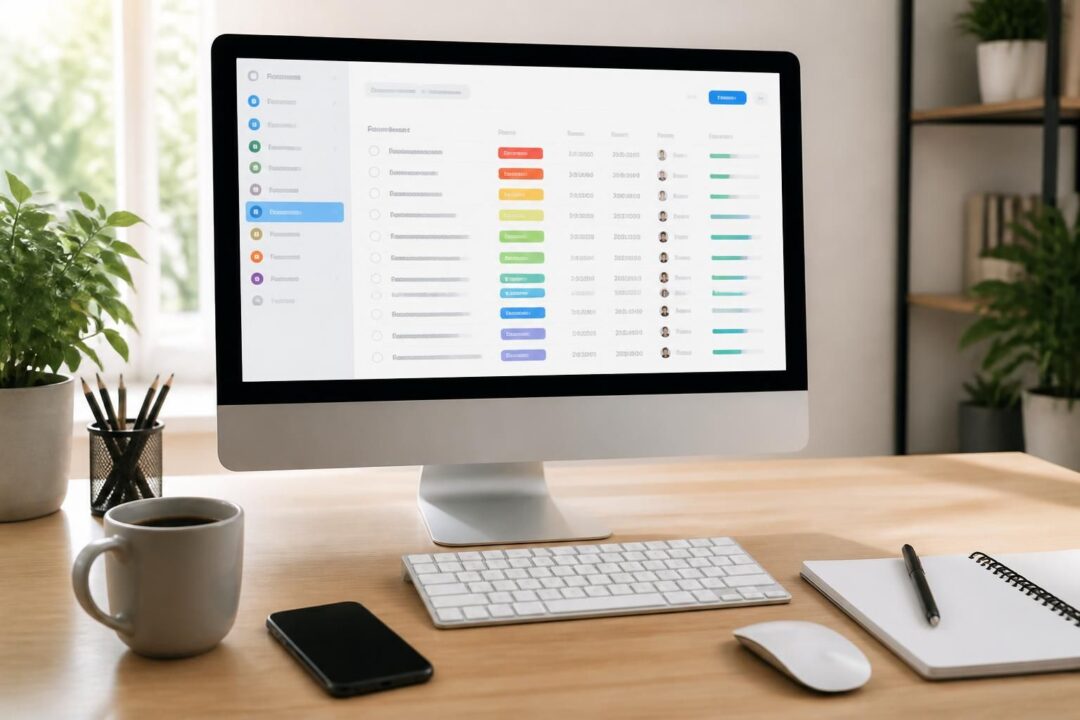
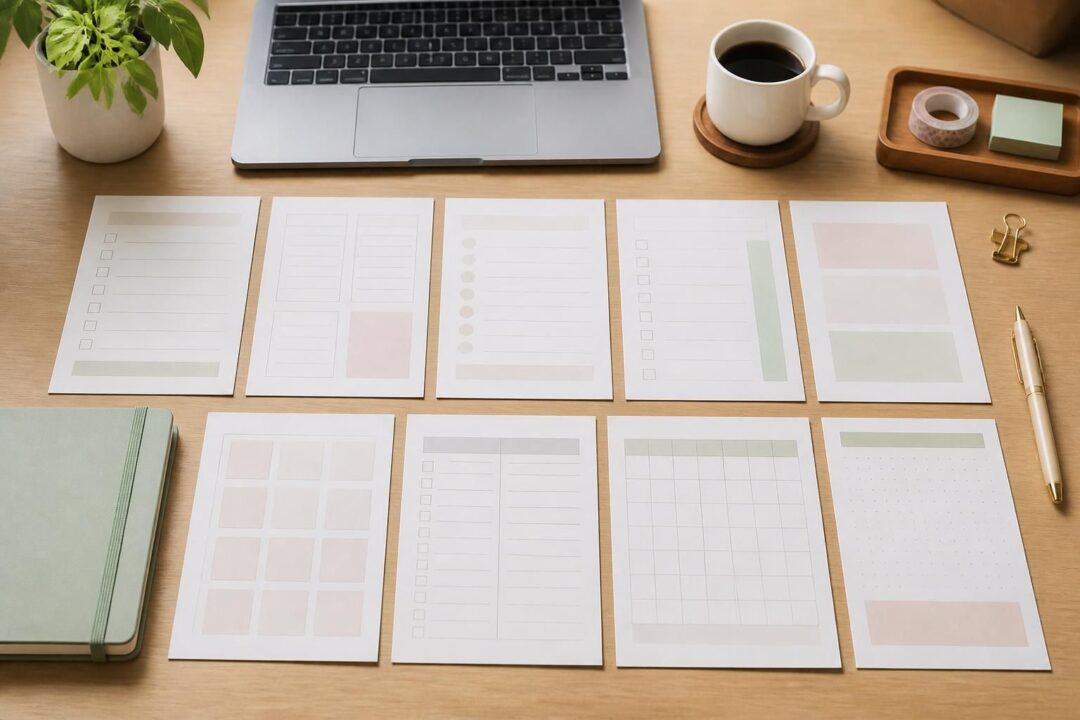
In a workday shaped by meetings, messages, and shifting priorities, the simplest tools often deliver the most reliable calm. Printable To-Do List Templates still earn their place because they turn vague pressure into visible choices. Meanwhile, Desktop Task Tracker apps keep pace when plans change by the hour. Together, these approaches form a practical Toolkit for Productivity and Organization, especially for people who juggle roles at work and at home.
What makes the combination powerful is not novelty. It is clarity. A paper Planner can reduce screen fatigue and help the brain “see” the day. A digital Task Management view can then protect deadlines, trigger reminders, and preserve history. As a result, the system supports both focus and flexibility. Consider a mid-sized team preparing a client rollout while also covering routine operations. A printable daily sheet can guide the morning. However, a Desktop tracker can capture dependencies and status updates by afternoon. When both tools share the same language—priorities, next actions, and due dates—progress becomes easier to sustain.
- Printable To-Do List Templates help you commit to a realistic daily plan, even when attention feels fragmented.
- A Desktop Task Tracker supports fast rescheduling, visibility across projects, and consistent follow-through.
- Daily, weekly, monthly, and project formats each solve a different planning problem, so matching format to situation matters.
- Priority sections and categorized checklists reduce overwhelm by limiting choices and grouping related work.
- Binder-friendly PDFs and US Letter/A4 sizing make print workflows simple for home, school, or office use.
- Hybrid systems work best when a single “source of truth” exists for deadlines, while paper handles the day’s focus.
Printable To-Do List Templates as a Productivity and Organization Anchor
Printable planning works because it creates a stable “home base” for decisions. A To-Do List on paper does not ping, scroll, or disappear behind other windows. Therefore, it can lower the mental load that builds when tasks live in many places. Many people also remember items better after writing them down. That small physical act often turns intent into commitment.
Printable Templates also support consistency across environments. A parent can keep a household list on the fridge, while a student can keep a similar sheet in a binder. Likewise, an office team can standardize a daily checklist for shift handoffs. When the layout stays predictable, the brain spends less energy figuring out the tool. It can spend that energy on the work.
Choosing the right printable format for the job
A daily page suits fast-moving days because it forces trade-offs. It typically includes a short task area, priorities, and a notes box. However, a weekly layout fits when tasks can be spread out, such as recurring admin work or study sessions. Monthly pages excel for deadline awareness, especially when a project has fixed milestones.
Project-specific sheets fill a different need. They make a complex goal feel finishable by listing steps in sequence. For instance, a “client onboarding” page can show steps like contract, kickoff call, access provisioning, and training. As a result, the work stops feeling like one giant block.
What to look for in well-designed printable Templates
Good Printable pages do not try to do everything. Instead, they highlight a few decisions: what matters today, what can wait, and what is blocked. Sections for “Top 3” or “High priority” help, because they limit choices. Categorized checklists also reduce stress by grouping tasks into work, home, school, health, or errands.
Design style matters more than many expect. Some people focus better with a minimalist layout. Others stay engaged with seasonal “cute” designs tied to holidays or seasons. That visual cue can support routine, especially during busy periods like fall school schedules or end-of-year planning.
A practical example: the Rivera office and a paper-first morning
Consider the Rivera office, a small operations team supporting field technicians. The day starts with uncertainty because client requests arrive overnight. The team prints a daily Planner sheet for each coordinator. First, each person writes three non-negotiables. Next, they add flexible tasks in a second list.
When new requests arrive, the coordinators do not rewrite everything. Instead, they cross out one flexible task and move it to “Tomorrow.” Consequently, the day stays realistic. The insight that keeps this system working is simple: paper protects focus, and focus protects quality.
Desktop Task Tracker Systems for Real-Time Task Management
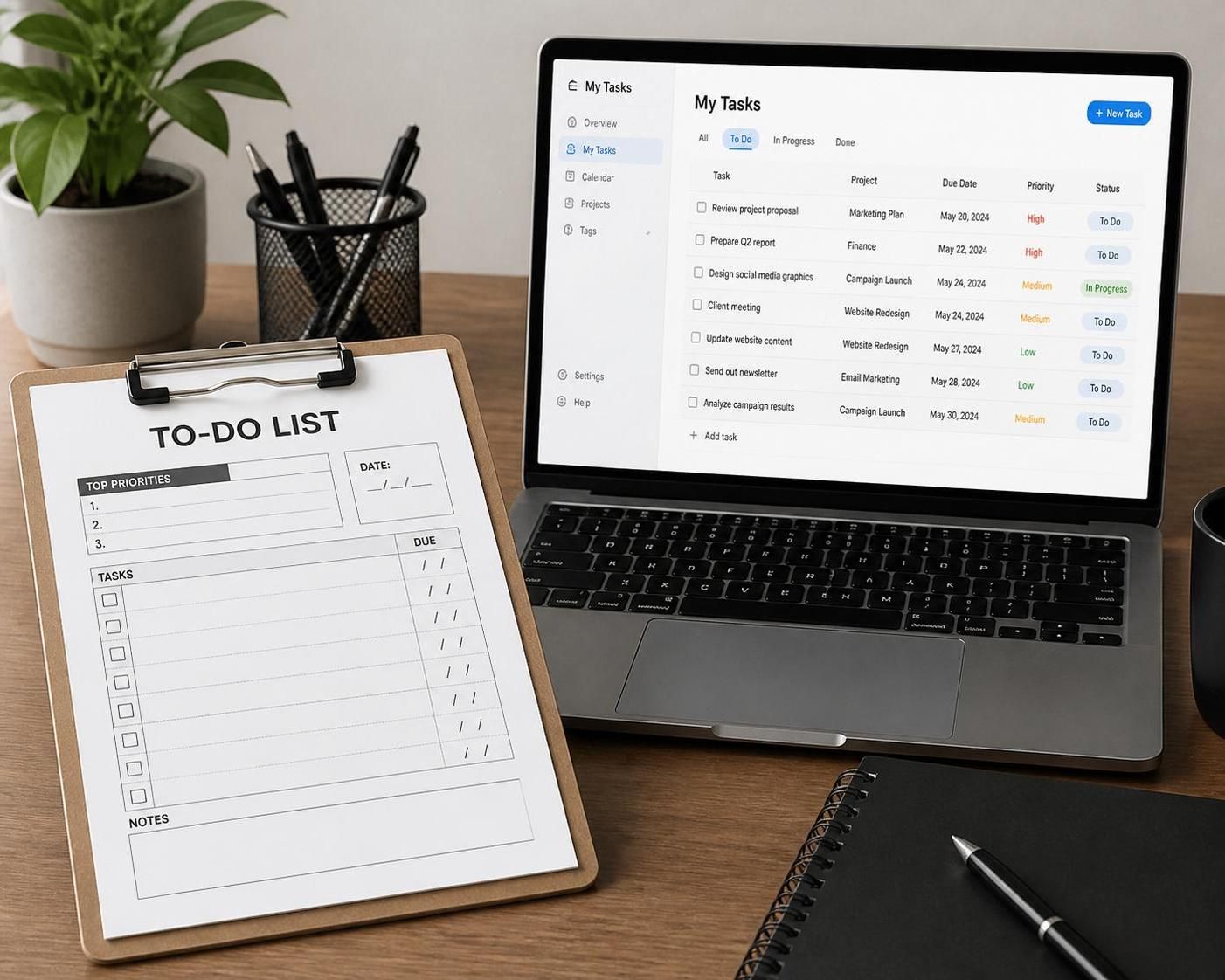
A Desktop Task Tracker shines when work changes quickly. It handles rescheduling, reminders, and searchable history. Therefore, it helps when deadlines stack up or when multiple people share responsibility. Unlike a static list, a tracker can show status, owners, and dependencies in one view.
Desktop tools also support “one-minute capture.” When an urgent request arrives, it can be added without disrupting the current plan. However, capture alone does not create results. A strong tracker setup depends on good fields and consistent habits, such as daily review and clear status definitions.
Core fields that make a tracker useful
A practical tracker includes a task name, due date, priority, and status. It also benefits from a short “next action” field. That line prevents vague tasks like “Prepare report” from lingering. Instead, it becomes “Pull last week’s metrics” or “Draft the executive summary.”
Moreover, many teams add a “blocked by” note. That prevents silent delays. For example, “Blocked by vendor pricing” clarifies why progress stopped. When managers can see blockers early, they can remove them faster.
Status design: keep it simple so it gets used
Status should guide action, not create bureaucracy. A lean set often works best: “Not started,” “In progress,” “Waiting,” and “Done.” Anything more detailed can confuse users. Consequently, people stop updating the tracker, and the system loses credibility.
It also helps to define a rule for “Waiting.” For instance, “Waiting means an external person owes a response.” That definition keeps the category clean. It also makes follow-up easier during reviews.
Case example: desktop tracking prevents a quiet deadline miss
At Rivera office, a coordinator once handled a licensing renewal that seemed routine. The paper To-Do List noted it, but the due date sat three weeks out. Meanwhile, urgent service calls crowded the day. The renewal slipped until the final week.
After switching to a Desktop tracker with due-date reminders, the same renewal triggered alerts at two weeks and one week. As a result, the coordinator requested documents earlier and avoided a service interruption. The key insight is that digital reminders protect future work when today feels loud.
To see how different teams use digital workflows, this video search can provide useful examples and demonstrations.
Building a Hybrid Toolkit: When Printable Meets Desktop
The most durable system often blends paper and digital. The goal is not to duplicate work. Instead, the system should assign each tool a clear job. Paper handles attention and daily focus. The Desktop tracker handles deadlines, collaboration, and history. Consequently, the hybrid approach can reduce stress without losing control.
A common mistake involves treating both tools as equal “sources of truth.” That creates conflicts. Therefore, one place must own deadlines and project commitments. Many people choose the Desktop Task Tracker for that role. Meanwhile, the Printable To-Do List becomes the daily execution layer.
A simple operating model for a two-layer system
Start each week in the tracker. Confirm deadlines, active projects, and appointments. Next, choose the week’s outcomes and mark priorities. Then, each morning, pull only the day’s next actions onto a printable page. This step turns a long backlog into a short, doable list.
At the end of the day, close the loop. Check off completed paper items. Then, update the tracker for anything that changed, especially dates and status. As a result, the system stays coherent even when days go sideways.
How print details affect daily usability
Templates that print cleanly reduce friction. Many free PDFs use US Letter sizing, yet they also fit A4 with minimal scaling. That matters in mixed environments, such as global teams or university settings. Binder margins also help, because pages can be stored and reviewed later.
However, printing works best with a predictable routine. For example, printing a daily sheet at the start of the day prevents mid-day “tool switching.” Some people prefer printing a weekly page on Monday and adding sticky notes for daily focus. Either approach can work if it reduces decision fatigue.
Comparison table: picking the right tool for common scenarios
| Scenario | Printable To-Do List Templates | Desktop Task Tracker | Best hybrid move |
|---|---|---|---|
| Daily focus with many interruptions | Strong for quick re-prioritizing by hand | Can feel noisy if too many alerts | Print “Top 3” and keep the tracker for due dates |
| Multi-step project with dependencies | Good for step-by-step checklists | Excellent for status, owners, and timeline | Track project in Desktop; print weekly next actions |
| Student workload across classes | Helpful for daily study blocks | Useful for assignment deadlines | Keep deadlines digital; print a daily study plan |
| Household routines and chores | Great for fridge or family command center | Optional unless schedules are complex | Use print for routines; add digital reminders for appointments |
| Team handoffs and shift work | Useful for quick notes and signatures | Critical for shared visibility | Paper for shift checklist; tracker for shared backlog |
The next step involves matching template types to specific life contexts, because “one size fits all” rarely holds up under real pressure.
Template Types That Fit Real Life: Daily, Weekly, Monthly, Project, and More
Printable categories exist because planning problems differ. A daily page solves “What must happen today?” A weekly layout solves “How will work fit around the rest of life?” Monthly sheets solve “What deadlines are coming?” Project pages solve “What is the next step?” Therefore, choosing the right template is an act of Task Management, not decoration.
Many free collections offer dozens of layouts. Some include minimalist designs for speed. Others offer seasonal styles tied to winter, spring, summer, and fall, plus holidays like Halloween and Christmas. Those visual changes can keep routines from feeling stale. However, the layout still needs to support execution, not just aesthetics.
Priority lists and categorized checklists for overload
Priority pages work well when everything feels urgent. They usually provide a “high priority” section, a secondary section, and notes. That structure forces ranking. As a result, it reduces the temptation to treat all tasks as equal.
Categorized checklists support people who carry multiple roles. A page might include columns such as work, home, school, health, and errands. This layout helps avoid the “hidden task” problem, where personal items disappear behind professional work. Moreover, it supports smoother transitions between contexts.
ADHD-friendly print layouts: reducing friction without dumbing down
Some printable designs specifically aim to reduce overwhelm. They use clear section borders, smaller task slots, and short prompts. For example, a page may ask for “Next action” rather than “Project.” That prompt encourages concrete steps.
These layouts also help with time blindness. A daily page might include time blocks for morning, afternoon, and evening. Consequently, the plan becomes more realistic. The sheet does not solve attention challenges by itself, yet it can lower the cost of restarting after interruptions.
Special-purpose Templates: students, weddings, and households
Student pages often include assignment tracking, exam prep, and study routines. A weekly layout can track reading, problem sets, and lab work without mixing them into one crowded list. In addition, a homework tracker can separate “due soon” from “work today.” That separation prevents last-minute rush.
Wedding planning lists offer a different form of structure. They break an emotional, high-stakes event into manageable pieces like vendor calls, fittings, invitations, and seating charts. Therefore, the list becomes a calming tool during a stressful season. Household sheets, on the other hand, often blend chores, groceries, maintenance, and meal planning. A shared family list can reduce nagging because expectations become visible.
For additional strategies on making lists actually work, this video search can help you explore practical methods and variations.
Print, Permissions, and Practical Setup: Making Templates Easy to Use Every Day
Free Printable To-Do List Templates often come as PDFs. That format protects layout and prints reliably. It also makes sharing easy within a household or classroom. However, users should still check usage rights. Many free printables allow personal use while restricting redistribution, modification, or resale. Those limits matter, especially for workplaces that plan to distribute materials widely.
Print setup affects whether a tool gets used. If printing feels fussy, people abandon the habit. Therefore, a practical approach uses default settings that work every time. For example, keeping a “print favorites” folder on the Desktop can reduce friction. Likewise, keeping a small binder or clipboard ready can make the routine stick.
Paper size, binders, and repeatability
Most templates target US Letter. Many also fit A4 with light scaling. For best results, set the printer to “Fit to printable area” only when needed. Otherwise, preserve margins so hole punches do not cut off content. A half-letter format can also work well for portable clipboards.
Repeatability is the hidden advantage of print. A daily page becomes a record of decisions. That record can reveal patterns, such as too many meetings or unrealistic daily goals. Consequently, printouts can support better planning over time, not just day-to-day survival.
How to integrate print into a Desktop workflow without double entry
Double entry fails because it wastes energy. Instead, choose a simple rule: only deadlines and project commitments live in the tracker. The paper sheet only holds today’s next actions. When something new appears, capture it digitally first if it has a due date. Otherwise, add it to paper if it must happen today.
At day’s end, migrate only what matters. Unfinished tasks that still matter go back into the Desktop Task Tracker with a clear date or status. Tasks that no longer matter get deleted. Therefore, the system stays trustworthy. The insight that sustains this approach is direct: a list earns respect when it stays current.
A short checklist for a reliable weekly reset
- Review the Desktop tracker for overdue items and update dates immediately.
- Confirm the week’s meetings and hard deadlines, then set realistic priorities.
- Print a weekly Planner page if it helps visibility, or reserve print for daily sheets.
- Create a short “waiting for” list, because follow-ups often drive delays.
- Choose one improvement for next week, such as fewer priorities or clearer next actions.
Once setup feels simple, the Printable and Desktop sides of the Toolkit can reinforce each other rather than compete.
Which Printable To-Do List Templates work best for daily Productivity?
Daily templates with a small number of priority slots (such as a “Top 3” area), a short task list, and a notes box tend to work best. They reduce overload, and they make it easier to commit to a realistic plan for the day.
What is the difference between a checklist and a To-Do List?
A checklist usually lists items to complete with simple checkboxes. A To-Do List often adds structure like priority, due dates, notes, or time blocks. That extra structure supports stronger Task Management when work has deadlines or dependencies.
How can a Desktop Task Tracker and a paper Planner work together without creating duplicate work?
Use one source of truth for deadlines, usually the Desktop tracker. Then write only today’s next actions on paper. At the end of the day, update the tracker only for items that changed status or dates, and drop tasks that no longer matter.
Are free Templates typically allowed for office use?
Many free PDFs allow personal use and restrict redistribution, modification, or resale. For office-wide distribution, check the permission note on the download page and choose sources that explicitly allow workplace use or provide a license for business distribution.
Which template type helps most with long projects?
Project To-Do List Templates help most when they break work into steps, clarify the next action, and track status. Pairing a project sheet with a Desktop Task Tracker works even better, because the tracker can handle deadlines and dependencies while paper supports weekly execution.

With over 30 years of experience, I specialize in streamlining operations and enhancing productivity. As an Operations Consultant and Editor at EfficientToDoList.com, I am passionate about helping individuals and organizations manage their tasks more effectively.