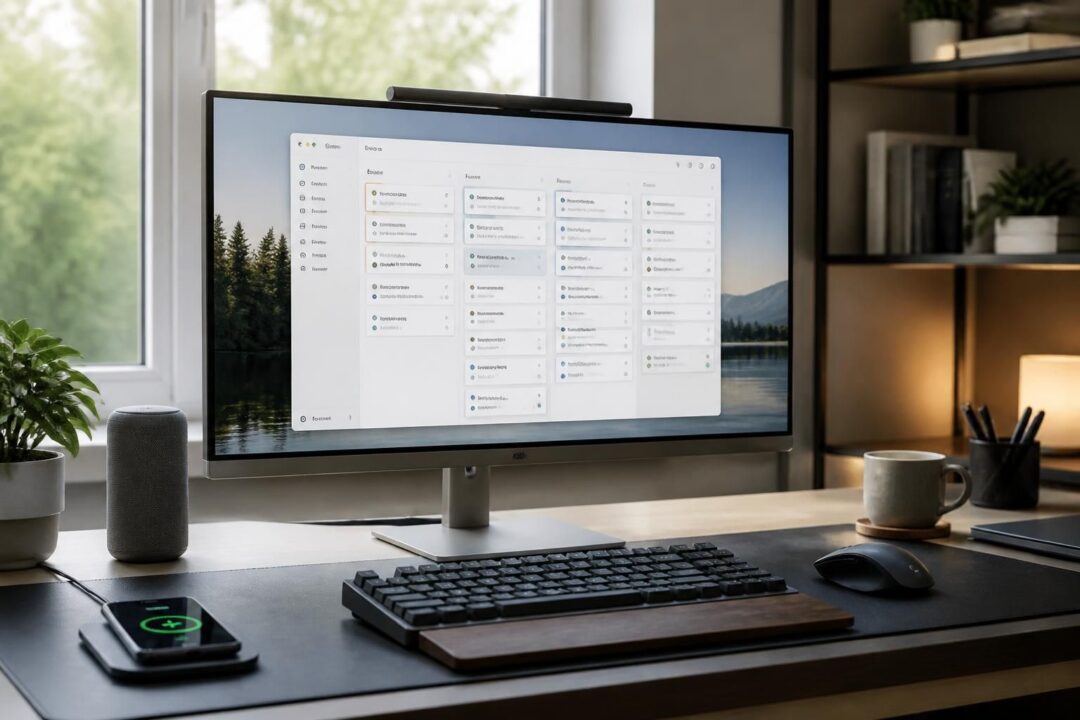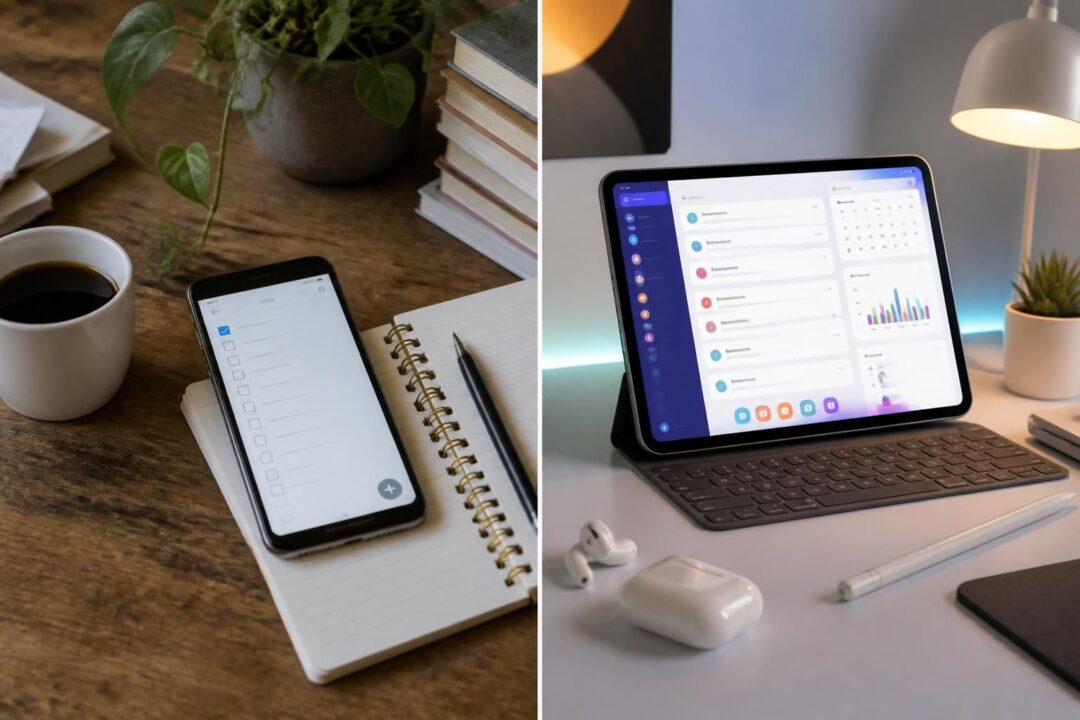
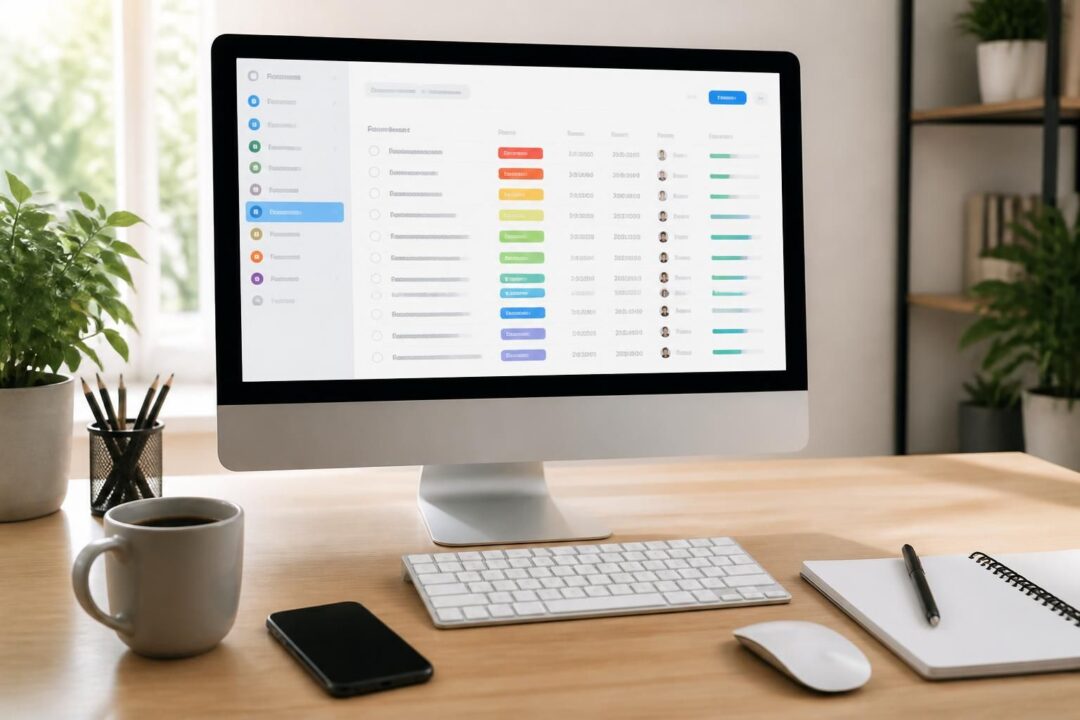
In an economy where work arrives through email, chat, and ticketing queues, tasks rarely line up in neat, memorable sequences. Instead, they fragment into dozens of small commitments that compete for attention, and that is where To-Do List Software can either calm the day or complicate it. A desktop Task Manager still matters because it lives where decisions happen: on the same screen as documents, calendars, and the browser tabs that drive modern work. Moreover, a well-chosen Desktop Application reduces the “switching tax” that steals focus, especially for people who spend long stretches at a computer. Yet the market looks noisy in 2026, with tools that blur the line between personal checklists and full project systems. Consequently, choosing the right app requires a practical method: define the kind of work, confirm the To-Do List Features that support it, then install the program in a way that preserves security, privacy, and performance.
Teams feel this pressure too. Consider a small property management office, HarborView Ops, where maintenance requests, lease renewals, and vendor follow-ups used to live on sticky notes. The move to a desktop-first task tool improved Task Organization, but only after the staff stopped chasing “fancy” features they never used. Likewise, a solo consultant may need fast capture and strong reminders, while a department lead may need dependencies and status tracking. Therefore, the goal is not to find the most famous brand; it is to find the best fit for real workflows, then complete Software Installation with minimal friction so the tool becomes part of daily Time Management rather than another thing to manage.
- Desktop-first task tools reduce context switching by keeping planning close to execution.
- Start selection with the work pattern: personal errands, recurring admin, client delivery, or cross-team projects.
- Look for essentials: capture speed, reminders, recurring tasks, and clear Task Prioritization.
- Use a short pilot with real tasks to validate the User Interface and notification behavior.
- Install with security in mind: permissions, device sync choices, and account recovery settings.
Choosing Desktop To-Do List Software: match a Task Manager to real workflows
A reliable Task Manager starts with an honest inventory of the work that shows up each week. For HarborView Ops, the “work” includes urgent repairs, scheduled inspections, and tenant communication that cannot slip. However, the same office also has slower tasks, such as updating vendor insurance certificates, that benefit from recurring schedules rather than constant manual entry. Therefore, the selection process should separate urgent, deadline-bound items from routine checklists and long-range planning.
Next, map each category to a concrete behavior. Quick capture matters when tasks arrive mid-call, so keyboard shortcuts and system-wide “add task” hotkeys can be decisive. On the other hand, if tasks require context, the tool should support notes, links, file attachments, or at least a clean comment area. Moreover, visibility drives follow-through, so a strong list view or grid view should show due dates, priority, and status without forcing deep clicks.
Personal tasks vs. project work: avoid buying complexity you will not use
Many buyers mistake project management capacity for productivity. Although Gantt charts and Agile boards help certain teams, they can also distract basic users from execution. Consequently, a desktop Task Manager should be judged by how quickly it turns intention into action. If the daily routine consists of calls, emails, and follow-ups, a clean list with smart reminders often beats a complex workspace.
Yet some situations require more structure. HarborView’s operations lead needed a simple dependency chain for “unit turnover,” where cleaning must happen before photography, and photography must happen before listing. In that case, a tool that supports dependencies or status columns prevents rework. Furthermore, collaboration may matter even in small groups, because visibility reduces duplicate effort and missed handoffs.
Core To-Do List Features that tend to matter on desktop
Desktop use changes what “good” feels like. Screen space allows richer views, so calendar and kanban options become more valuable, even for non-technical teams. In addition, desktop notifications can be both a gift and a nuisance, which is why granular control matters. If reminders cannot be tuned, the tool may train users to ignore alerts, and that undermines Time Management.
When comparing Productivity Tools, look for features that support decisions, not just storage. Priorities should be easy to set and easy to scan. Recurring tasks should handle complex rules, such as “first business day of the month,” if the work includes billing or reporting. Finally, search should be fast, because finding a past task is often how teams confirm what happened and when.
The next step is to translate these needs into a shortlist and a trial plan, because installation and onboarding reveal the truth about day-to-day fit.
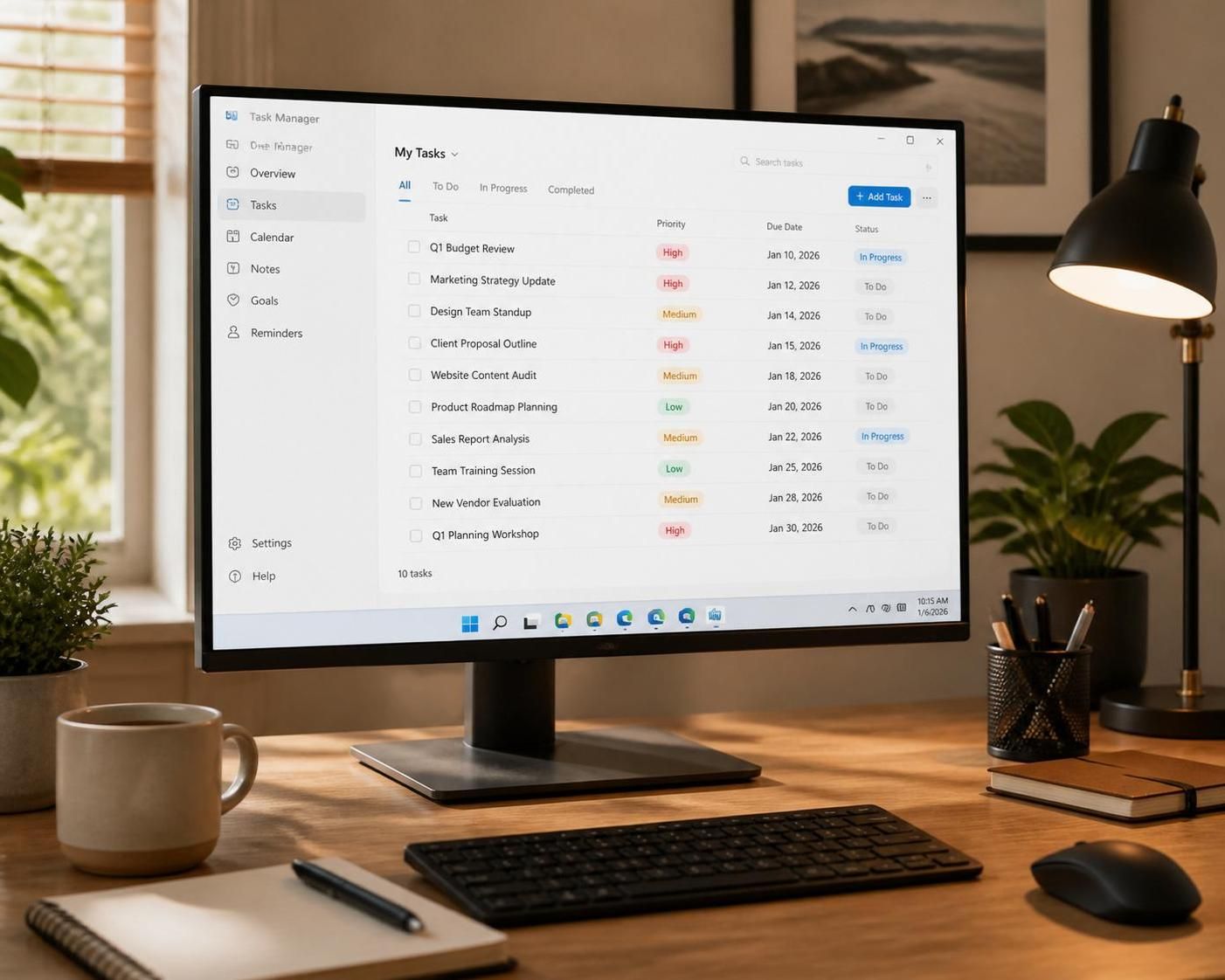
Comparing desktop-friendly Task Organization tools: Airtable, monday.com, Todoist, Any.do, TickTick, and Asana
Once requirements are clear, comparison becomes simpler. Several mainstream platforms offer strong desktop experiences through native apps or desktop-grade web interfaces. Moreover, each option tends to “lean” toward a style: spreadsheet-like tracking, list purity, or project-centric collaboration. That tilt matters because it shapes how users think about work.
The following table summarizes practical differences that often show up during trials. Pricing shifts over time, so treat these figures as typical entry points rather than guarantees. Even so, relative positioning remains useful for selecting a starting place.
| Tool | Best fit on desktop | Standout strengths | Common friction points | Typical starting price (annual billing) |
|---|---|---|---|---|
| Airtable | Teams that like structured records | Grid view, flexible fields, calendar, light automation | Can feel “database-like” for simple personal lists | Free tier; paid plans commonly start around $10/user/month |
| monday.com | Small-to-mid teams blending tasks and projects | Status labels, assignments, integrations, docs | Advanced views often require higher plans | Free tier; entry paid plans often start around $9/user/month |
| Todoist | Individuals and lightweight collaboration | Fast list workflow, priorities, strong capture | Privacy settings require careful review | Free tier; paid plans often start around $4/user/month |
| Any.do | Personal planning with polished UX | Clean design, reminders, messaging-based capture | Some features gated behind paid tiers | Free tier; paid plans often start around $2.99/user/month |
| TickTick | Power users who like planning detail | Folders, duration estimates, voice input | Upgrade prompts can interrupt flow | Free tier; paid plans often start around $2.33/user/month |
| Asana | Cross-functional work and complex coordination | Strong boards, multiple project views, integrations | Paid tiers can be pricey for simple needs | Free tier; paid plans often start around $10.99/user/month |
Airtable and monday.com: when structure and visibility drive execution
Airtable often works best when tasks behave like records with attributes. For instance, HarborView created a “Maintenance Requests” base with fields for unit number, vendor, scheduled date, and status. Consequently, the grid view replaced a shared spreadsheet, while keeping Task Organization within a tool designed for tracking. Dependencies can be handled with linked records, which helps sequence work when steps must happen in order.
monday.com, by contrast, tends to feel like an operational command center. It supports simple lists, yet it also scales into project workflows with automation and integrations. Therefore, teams that expect growth may value its range. The built-in document area helps keep meeting notes near action items, even though it does not replace a dedicated word processor.
Todoist, Any.do, and TickTick: list-first tools for daily Task Prioritization
Todoist remains a favorite for people who want speed and clarity. The desktop User Interface emphasizes the list, and it makes priority flags easy to apply. As a result, it suits professionals who manage many small obligations that must be sorted quickly. The archive feature on paid plans can also serve as a lightweight activity log, which helps during client reviews.
Any.do competes through presentation and capture convenience. Its WhatsApp-based task capture can help users who receive “please do this” messages all day. However, workflow details like where a new task lands by default can affect adoption, so trials should mimic real behavior. TickTick adds a planning layer by letting users estimate how long a task should take, which improves scheduling discipline. Moreover, voice input can help when the desk is not the best place to type, such as during a walk between meetings.
Asana: when tasks and projects must coexist
Asana fits teams that need both checklists and coordination. Its board view supports clear handoffs, and it handles multiple projects without losing visibility. Consequently, it can serve as a bridge between a simple To-Do List Software and a broader project system. The tradeoff is cost at higher tiers, so it works best when the extra structure prevents real failures, such as missed launches or compliance steps.
After comparing tools, attention should shift to the practical reality: installing and configuring a Desktop Application so it behaves well on your specific device and network.
Seeing these apps in action helps clarify what “good” means for your brain and your calendar. The next step covers installation and first-week setup so the tool starts helping immediately.
Software Installation for a desktop Task Manager: a secure, low-friction setup
Software Installation sounds simple, yet it often determines whether a Task Manager sticks. A clean setup avoids notification overload, prevents sync surprises, and reduces login trouble. Therefore, installation should be treated as a short, intentional project with a checklist, not a rushed click-through between meetings.
Before installing: decide where tasks will live and how they will sync
Start by deciding whether tasks should sync across devices. Sync helps continuity, especially when errands appear away from the desk. However, some roles handle sensitive data, so desktop-only storage may feel safer. Consequently, read account settings early, and confirm how the tool handles exports, deletion, and retention.
HarborView chose sync for managers but limited mobile access for vendors. That decision reduced accidental data exposure while keeping internal staff flexible. In addition, enabling multi-factor authentication protected accounts without adding daily hassle, because modern authenticators make approval quick.
Install steps that prevent common desktop problems
Download the Desktop Application from the official provider site or a trusted app store. Next, verify the publisher name before launching the installer, because look-alike downloads still circulate. After installation, review startup behavior. If the app launches on boot, it should earn that privilege by saving time, not consuming it.
Notification settings deserve careful tuning. Turn off low-value alerts, then keep reminders that directly support Time Management. Moreover, set “quiet hours” if available, because evening pings can increase stress without improving results. Finally, connect calendar integrations only after testing, since poorly configured sync can duplicate events.
First-week configuration: build habits with templates and minimal customization
Many people over-customize on day one. Instead, start with one or two lists that match reality, such as “Today,” “This Week,” and “Waiting For.” Then add a small set of tags that reflect actual decision points, such as “Call,” “Email,” and “On-site.” As a result, the tool stays usable under pressure.
For teams, create a shared naming rule. HarborView used “UNIT-###: action” for property tasks, which made search reliable. Likewise, standard status labels reduced confusion, since “working on it” meant the same thing for everyone. This kind of lightweight governance often matters more than extra features.
With installation complete, the next challenge is workflow: how to capture, prioritize, and review tasks so the system remains trustworthy rather than becoming another cluttered list.
Once the app runs smoothly, productivity depends on routines. The next section focuses on daily Task Prioritization and review loops that keep lists short and actionable.
Task Prioritization and Time Management on desktop: routines that keep lists actionable
A desktop Task Manager succeeds when it becomes a trusted mirror of commitments. Yet trust fades when lists grow faster than they shrink. Therefore, Task Prioritization must become a daily practice, not an occasional cleanup.
Use a simple prioritization rule that fits real constraints
Start with a small rule set. Many professionals do well with three levels: “must,” “should,” and “could.” Then tie each level to consequences. A “must” task has a deadline, a dependency, or a cost of delay. A “should” task improves outcomes but can move one day without harm. A “could” task stays optional until time appears.
HarborView used a similar system, but it added a “tenant-facing” marker. Consequently, staff handled communication tasks early, because delays created more inbound calls. That choice reduced stress for everyone, including the tenants, because updates arrived before frustration built.
Design the desktop workspace to reduce friction
Desktop work often fails because windows compete for attention. Therefore, keep the task list visible in a narrow column or on a second monitor. If the app supports “always on top,” use it sparingly, because it can become distracting. On the other hand, quick-add shortcuts and natural-language due dates can speed capture and reduce mental load.
Time blocking can help when tasks require deep focus. In that case, schedule “work blocks” in the calendar, then link tasks to those blocks using the tool’s date fields. Moreover, if the app supports duration estimates, use them to prevent overbooking the day. A two-hour writing task cannot fit into a 30-minute gap, no matter how optimistic the plan feels.
Weekly reviews: the difference between a list and a system
Without reviews, lists become junk drawers. Set a weekly review at a stable time, such as Friday afternoon or Monday morning. During the review, close loops: mark completed work, reschedule tasks that still matter, and delete tasks that no longer deserve attention. Consequently, the list stays aligned with reality.
Archive and search features help here. If a client asks, “When did that get handled?” a searchable history supports clear answers. Likewise, recurring tasks should be checked for relevance, because routines change. The review is also the right moment to adjust reminders if they feel noisy or ineffective.
Once prioritization and review habits hold steady, the next step is to expand capability carefully, using collaboration, integrations, and privacy controls without losing simplicity.
Advanced desktop workflows: integrations, collaboration, and privacy in Productivity Tools
After the basics work, advanced options can reduce manual effort. However, every integration adds complexity, so each one should save measurable time or reduce errors. Therefore, expand the system in small steps, and confirm value before adding more.
Integrations that usually pay off
Email and chat create tasks, so converting messages into action items often helps. Tools like Asana and monday.com integrate with collaboration platforms, while Any.do can capture reminders from WhatsApp. Consequently, teams can reduce “lost requests” that live in long message threads.
Calendar integration also matters, yet it must be configured carefully. If tasks appear on a calendar, they should represent real commitments, not vague intentions. Moreover, two-way sync can create clutter if rules are unclear. A safe pattern is to send only high-priority tasks to the calendar and keep the rest in the task list.
Collaboration: keep it simple so it stays humane
Assignment features help when handoffs are frequent. Yet collaboration fails when too many people get notified about too many changes. Therefore, define who owns what, and use watchers sparingly. HarborView limited assignment to primary owners and used comments for context, which reduced noise while keeping accountability clear.
Templates can also support consistent execution. monday.com offers workflow templates, and Airtable can reuse bases and views. As a result, teams avoid rebuilding the same structure for each new initiative. Still, templates should reflect actual work, so update them after a month of use based on what people really do.
Privacy and security: practical checks before committing
Task lists often contain client names, addresses, and sensitive notes. Consequently, privacy policies and deletion behavior matter. Some platforms retain data for years unless users opt out, while others commit to deleting data within a defined window after account closure. It is wise to confirm these details before standardizing a tool across a team.
Also review breach notification timelines and account recovery settings. Multi-factor authentication, strong passwords, and role-based permissions reduce risk without slowing daily work. If the tool offers single sign-on on higher tiers, that may matter for larger organizations. Even for small teams, a consistent access policy prevents the painful scramble that happens after a staff change.
At this point, the desktop system should feel stable: the right To-Do List Features support decisions, the User Interface feels natural, and the installation behaves predictably. The remaining questions tend to be practical, so the final section addresses common scenarios and quick fixes.
How can a desktop Task Manager stay useful without becoming an endless list?
Set a daily cap for active work, such as 10–15 actionable tasks, and move everything else into a backlog. Then run a weekly review to reschedule, delete, or delegate items. As a result, the list stays trustworthy and supports Time Management instead of guilt.
What should be tested during a 7-day trial of To-Do List Software?
Test capture speed, reminder control, recurring tasks, and search. Also try your real workflow: create tasks from email or chat, assign a few items, and complete them on desktop. If the User Interface slows common actions, the tool will not feel easier after the trial.
Is a Desktop Application always better than a web-only task tool?
Not always. A Desktop Application can offer faster launch, better offline behavior, and smoother notifications. However, a strong web app may be enough if it stays responsive and supports the needed To-Do List Features. The best choice is the one that reduces friction on the devices you actually use.
Which tools work best for simple Task Organization versus complex projects?
List-first tools like Todoist, Any.do, and TickTick often fit personal and lightweight team needs. Airtable and monday.com suit teams that want structure and visibility across many task types. Asana tends to fit environments where projects, dependencies, and cross-team coordination matter every week.
What are the safest first steps for Software Installation and account setup?
Install from official sources, confirm the publisher, and enable multi-factor authentication. Next, tune notifications to avoid alert fatigue, and decide what should sync to mobile. Finally, create a simple folder or list structure before importing old tasks, because importing clutter will recreate old problems.

With over 30 years of experience, I specialize in streamlining operations and enhancing productivity. As an Operations Consultant and Editor at EfficientToDoList.com, I am passionate about helping individuals and organizations manage their tasks more effectively.